
Longevity Health Explained: Common Misconceptions, and What It Really Means
Longevity has become one of the most used words in wellness. It is also one of the most misunderstood.
For some people, it sounds like living forever. For others, it feels like a world of expensive tests, strict routines, and complicated jargon. And for many, it has been reduced to a loud online culture of hacks, supplements, and promises that do not stand up to scrutiny.
The truth is simpler and far more useful.
Longevity health is not about chasing perfection. It is not about becoming obsessed with optimisation. It is about building a life where you stay capable for longer, and where your health supports what you want to do, not what you are forced to manage.
This article clears up the biggest misconceptions, then lays out what longevity health actually means in a practical way. It is written for a worldwide audience interested in longevity living, and for operators and potential tenants who are shaping what the next era of wellness will look like.
Longevity Is Not a Trend. It Is a Practical Goal
Longevity became noisy because it sits at the intersection of fear and hope. People fear decline. People hope for control. That combination attracts marketing, hype, and extreme claims.
But the underlying goal is not complicated.
Longevity health means improving your health-span. That is the number of years you live with good energy, strong function, and real independence.
It is not a promise to eliminate ageing. It is not a guarantee of outcomes. It is a direction. A commitment to staying capable for as long as you can, using evidence led habits and sensible support.
Misconception 1: Longevity Is About Living Forever
This is the most common misconception, and it turns a practical topic into something unrealistic.
Most people do not want to "live forever". They want to live well for as long as possible.
They want:
To move without pain and stiffness
To have steady energy and better sleep
To recover faster from stress and illness
To stay mentally sharp
To remain independent as they age
To keep doing the things they care about
That is longevity health. It is functional. It is grounded. It is about better years, not simply more years.
If you want a useful way to describe it, try this: longevity is the ability to stay strong enough, clear enough, and resilient enough to keep living life on your terms.
Misconception 2: Longevity Is Only for Wealthy Biohackers
Online, longevity is often presented as a world of premium gadgets and elite routines. That makes people think it is not for them.
But the biggest drivers of long term health are still the basics. They are boring only because they work.
The foundations of longevity living are:
Regular movement, especially strength and mobility
Sleep that is consistent enough to support recovery
Nutrition that supports metabolic health
Stress management that reduces chronic strain
Social connection and a life that feels meaningful
Expensive tools can help some people track and stay engaged, but they do not replace the fundamentals. For most people, what they need is not more information. They need the environment and support that makes consistency easier.
This is also where the future of longevity is heading. Not towards individual obsession, but towards better designed systems that help real people stick to healthy behaviours.
Misconception 3:
Supplements and Gadgets
Are the Main Lever
Supplements and devices have become the most visible part of the longevity conversation, because they are easy to sell and easy to share.
But there is a hierarchy of impact.
If you want a simple way to think about it, start here:
Behaviour drives the biggest results
Environment determines whether behaviour sticks
Tools support behaviour if used well
Supplements are the smallest lever for most people
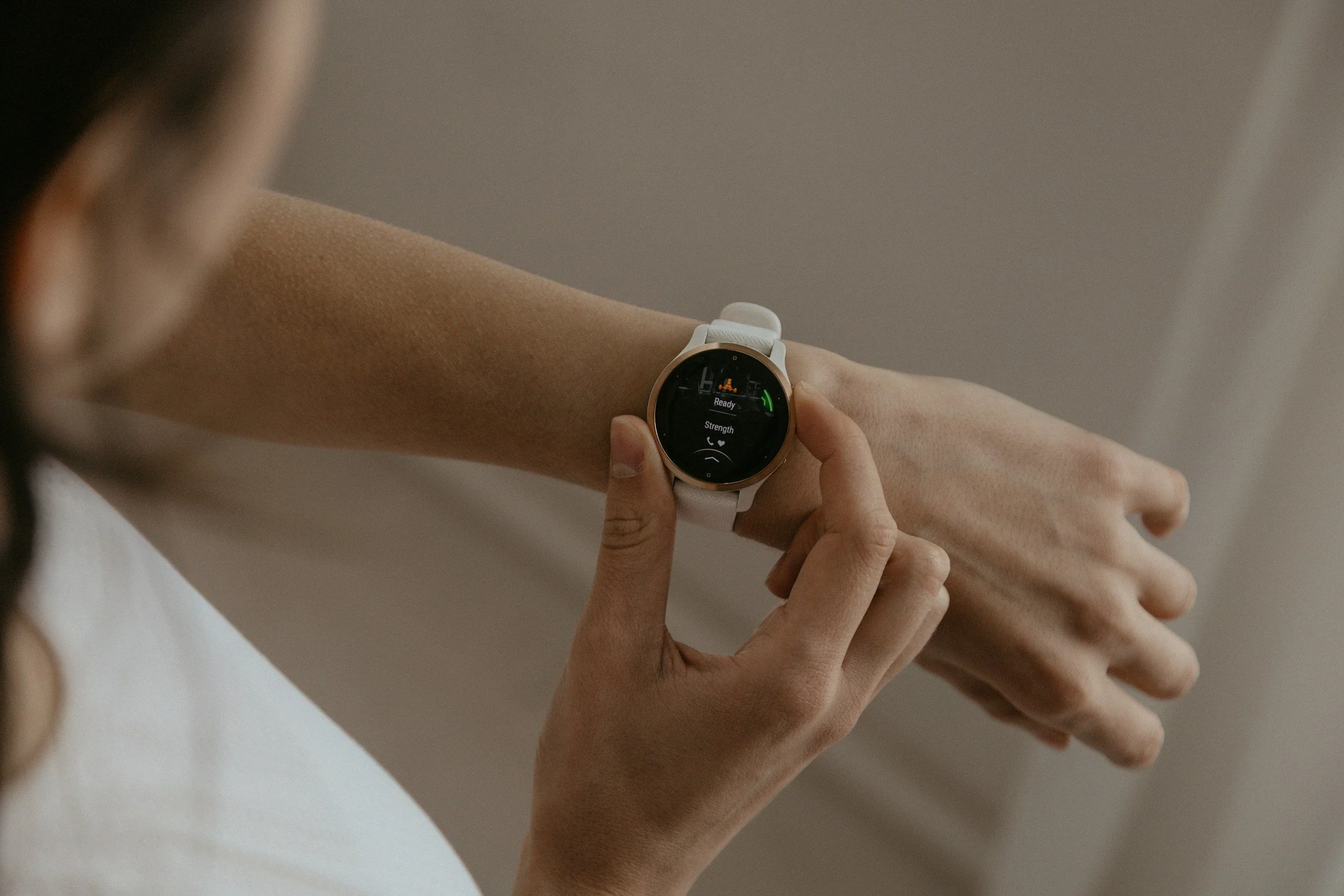
Wearables can be useful when they help you notice patterns, like poor sleep after late meals, or low energy during stressful weeks. They become unhelpful when they create anxiety, or when tracking becomes the goal instead of health.
A credible longevity approach uses tools as feedback, not as identity. It focuses on progress you can feel, not just numbers you can collect.
Misconception 4: Longevity Equals Medicine, Clinics, and Tests
Longevity is not purely medical, and it is not purely lifestyle either. It is a bridge.
Clinical care can provide screening, diagnostics, and risk awareness. Lifestyle support is what helps people act on that information day to day.
The problem is that many people receive insight without support. They get data, but they do not get a system. They might be told what to do, but not helped to do it consistently.
A responsible version of longevity treatment sits in the middle. It respects clinical boundaries, avoids false promises, and connects people to practical routines that improve how they feel and function.
Longevity health is not about replacing healthcare. It is about reducing avoidable decline through prevention, structured habits, and smart support.
Misconception 5: Longevity Is About Optimisation and Perfection
The internet often sells longevity as optimisation. Perfect routines, perfect diets, perfect discipline.
But perfection is not sustainable, and sustainability matters more than intensity.
The real win is consistency. Not doing everything, but doing the right things often enough that they compound.
A longevity lifestyle should feel like this:
Clear and simple, not complicated
Repeatable, not heroic
Flexible, not rigid
Supportive, not judgemental
Built for real life, not ideal life
If a programme only works when life is calm and controlled, it will fail the moment stress rises, travel happens, or motivation drops. A good longevity approach expects real life, and is designed to survive it.

What Longevity Health Actually Means: A Clear Framework
If you remove the hype, longevity health becomes a set of pillars that most people can understand and apply. The pillars are not trendy. They are durable.
Movement That Protects Function
Strength, mobility, balance, and a basic cardio foundation are deeply linked to health-span.
Movement is not only about looking a certain way. It is about staying capable.
A practical movement approach includes:
Strength training to protect muscle and bone
Mobility work to keep joints usable
Zone 2 style cardio for endurance and heart health
Balance and coordination to reduce injury risk
This is not a call to train like an athlete. It is a call to move in ways that keep you independent for longer.
Nutrition That Supports Metabolic Health
Most people do not need a perfect diet. They need a reliable one.
Nutrition for longevity is less about restriction, and more about steady energy, stable appetite, and long term metabolic health.
In plain terms, that often means:
Enough protein to support muscle
Whole foods most of the time
A sensible relationship with carbohydrates and ultra processed foods
Regular meals that fit your lifestyle
A system that you can repeat without burnout
It is not about being "clean". It is about being consistent.
Sleep and Recovery as Infrastructure
Sleep is not a luxury. It is a form of maintenance.
When sleep is poor, everything becomes harder. Appetite rises. Mood drops. Training feels heavier. Stress feels sharper. Decision making gets weaker.
Longevity health treats sleep as a core pillar because recovery is where the body adapts.
A practical approach includes:
Regular sleep and wake times when possible
Light exposure early in the day
Evening routines that reduce stimulation
Managing caffeine and alcohol in a way that supports rest
Stress Management and Nervous System Regulation
Stress is not the enemy. Chronic, unmanaged stress is.
Longevity health is about building resilience. That means having tools that help you return to a calm baseline, and habits that reduce strain over time.
This can include:
Breath work and mindfulness practices
Recovery focused movement
Walking and time outdoors
Social connection and supportive environments
Clear boundaries around work and rest
The goal is not to remove stress. The goal is to stop living in a permanently activated state.

Prevention and Early Detection, Used Responsibly
Prevention matters because it gives you time and options.
A longevity aligned approach encourages sensible screening, personalised risk awareness, and follow ups that lead to action. Not fear. Not obsession.
The key is responsibility. Preventive care should support better choices, not create anxiety.
Lifestyle Design: Environment, Identity, and Community
This is the most overlooked pillar, and it is often the difference between people who stay consistent and people who stop.
Longevity is not only a set of behaviours. It is a lifestyle system.
Your environment shapes what you do without thinking. Your identity shapes what you repeat. Your community shapes what feels normal.
If your surroundings make healthy choices easier, you are far more likely to stay consistent, even during busy seasons.
Why Ecosystems Matter: The Missing Piece in Most Longevity Advice
Most longevity advice assumes you are doing it alone. You research, choose, commit, and maintain.
But real life does not work that way for most people. People drop off because:
They are overwhelmed by choice
They do not know what to prioritise
They lack support and accountability
The experience is fragmented across too many providers
The environment does not help them stay engaged
This is where a longevity ecosystem makes a big difference.
An ecosystem brings aligned services into one coherent environment. It reduces decision fatigue. It builds trust. It supports progression. It makes it easier to keep going.

What Ecosystems Change for Consumers
For consumers, ecosystems offer:
A curated sense of quality and credibility
Easier discovery of what fits their needs
A smoother journey from one pillar to the next
Less friction in building repeat behaviour
More support to stay consistent over time
It is not about doing more services. It is about making the right services easier to find, and easier to stick with.
What Ecosystems Change for Wellness Businesses
For operators and potential tenants, ecosystems create structural advantages.
Credibility by adjacency
When reputable brands sit together, trust rises. The environment signals quality.
Higher retention and customer lifetime value
Longevity is not a one off purchase. It is a long term relationship. Ecosystems support ongoing engagement because customers naturally progress.
Cross discovery and referrals that feel natural
When services are aligned, customers move between them because it makes sense, not because they were pressured.
Shared standards and a shared narrative
A strong ecosystem builds a consistent expectation of quality, service design, and trust.
For tenants, this is where the opportunity becomes deeper than footfall. It becomes about fit, quality of audience, and long term engagement.
Conclusion: Longevity Is a Lifestyle System
Longevity health is not a niche obsession. It is a practical goal that more people are moving towards.
It is not about living forever. It is about living well for longer. It is not about expensive hacks. It is about repeatable habits supported by better environments. It is not about perfection. It is about consistency.
And as the longevity and wellness economy grows worldwide, ecosystems will play a bigger role. They make healthy living easier to sustain, and they give operators a stronger foundation to build trust, retention, and long term demand.
If you are interested in how an ecosystem approach to longevity living is being built in Singapore, explore Longevity World Singapore here: https://www.longevity.world/singapore
If you are building a wellness or longevity brand that aligns with an ecosystem approach, Longevity World is designed to bring the right operators together under one coherent roof.